
There is no single official document called an "electrical safety certificate". People normally mean one of four things: an Electrical Installation Certificate (EIC) for new circuits, rewires and consumer unit changes, a Minor Works Certificate for small changes to an existing circuit, an EICR that checks the condition of an existing installation, or the Building Regulations compliance certificate that proves notifiable work was signed off under Part P.
Which one you need depends on whether new work has been done or an existing installation is being checked. Landlords, buyers' solicitors and insurers all ask for "the electrical certificate", and they often mean different documents. Here is what each one is, when you get it and how to replace one you have lost.
This guide is for homeowners, landlords, buyers and sellers in England. Wales, Scotland and Northern Ireland have their own building regulations, and this is general guidance on the rules as they stand in November 2026, not legal advice.
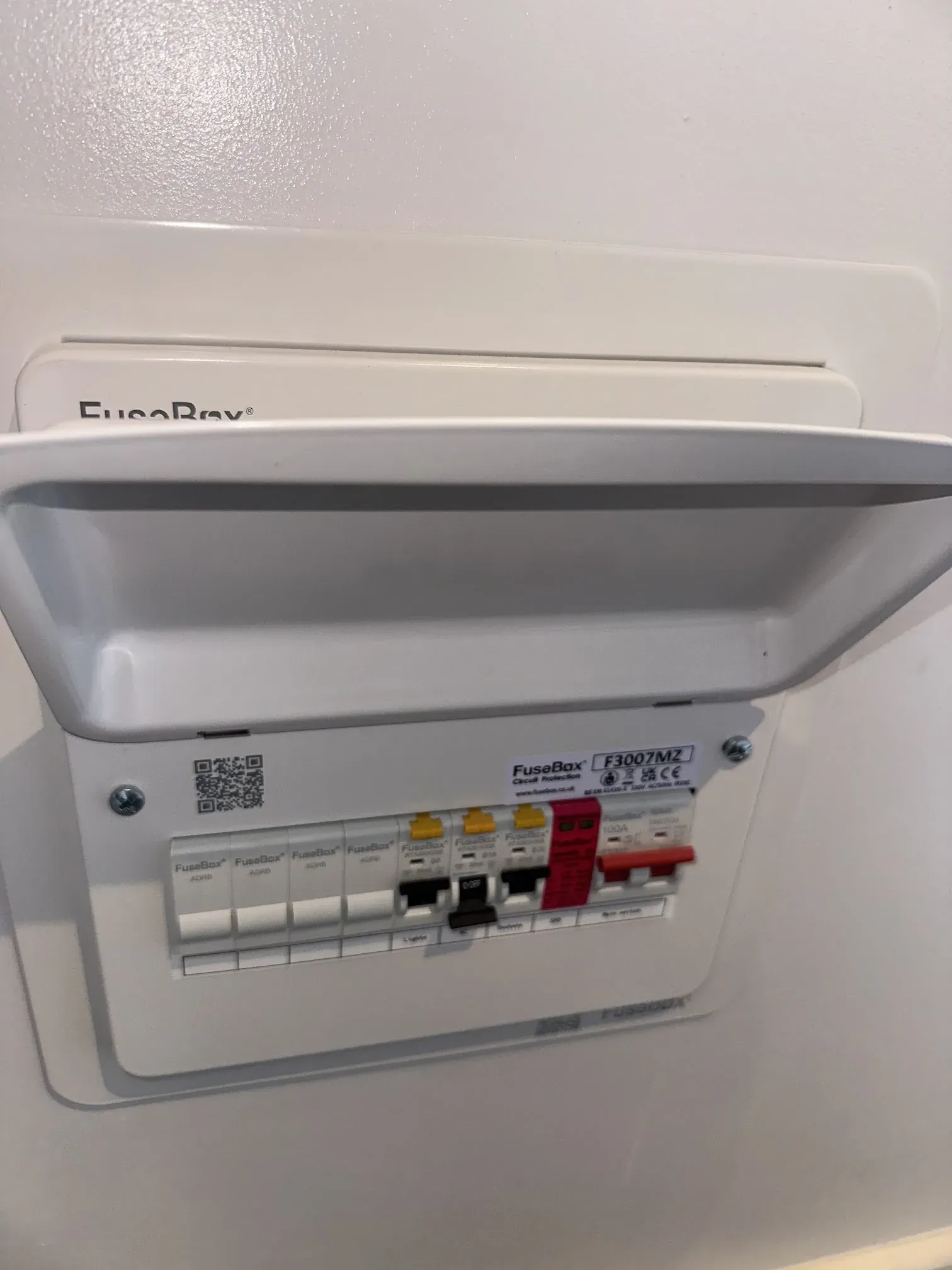
The Four Electrical Certificates at a Glance
| Document | When you get it | Who issues it | How long it lasts |
|---|---|---|---|
| Electrical Installation Certificate (EIC) | New circuit, rewire, new consumer unit, new installation | The electrician who did the work | Does not expire; records the work on that date |
| Minor Electrical Installation Works Certificate | Adding or moving a socket, light or switch on an existing circuit | The electrician who did the work | Does not expire |
| Electrical Installation Condition Report (EICR) | Periodic check of an existing installation | A qualified electrician | Until the next inspection date on the report (5 years maximum for rentals) |
| Building Regulations compliance certificate | After notifiable work under Part P | The electrician's competent person scheme, such as NAPIT | Does not expire |
Electrical Installation Certificate (EIC)
An EIC is issued when new electrical work is completed: a new circuit, a full or partial rewire, a consumer unit replacement, or the wiring for an extension or garden room. It records what was installed, the test results for every circuit and the signatures of the people who designed, installed and tested it. It is the document that proves the work met the wiring regulations, BS 7671, when it was finished.
Minor Works Certificate
A Minor Electrical Installation Works Certificate covers small additions or alterations to a circuit that already exists, such as adding a socket, moving a light switch or replacing a light fitting with a new one in a different position. It is shorter than an EIC because it only covers the circuit that was altered. If the work involves a new circuit, it needs a full EIC instead.
EICR: the Condition Report
An EICR is not a certificate for new work. It is an inspection of an existing installation that records anything worn, damaged or below current standards using the codes C1, C2, C3 and FI, and gives an overall result of satisfactory or unsatisfactory. For rented homes, the Electrical Safety Standards in the Private Rented Sector (England) Regulations 2020 require a new one at least every five years. This is the document landlords mean when they talk about a landlord electrical safety certificate, and it is what a homebuyer's surveyor usually recommends for older wiring. If yours comes back with codes, our guide to C1, C2 and C3 codes explains what happens next.
Part P and the Building Regulations Compliance Certificate
Part P of the Building Regulations covers electrical safety in homes in England. It has applied since 1 January 2005, and the 2013 revision narrowed it so that most minor work, such as replacing a socket or light fitting, no longer has to be notified. Certain jobs are "notifiable", meaning building control has to be told about them. Under Approved Document P, notifiable work is:
- Installing a new circuit
- Replacing a consumer unit
- Adding to or altering a circuit in a special location, such as the zones around a bath or shower
An electrician registered with a competent person scheme can notify the work themselves. We are registered with NAPIT (the National Association of Professional Inspectors and Testers), so after notifiable work we register it, NAPIT notifies your local council, and you receive a Building Regulations compliance certificate, usually within a few weeks. Without a registered electrician, you would need to apply to your council's building control team before the work starts and pay their fee, as GOV.UK's guide to building regulations approval explains.
Which Certificate Do You Need?
| Situation | What to ask for |
|---|---|
| Letting a property in England | An EICR, renewed at least every five years |
| Selling a house where electrical work was done since 2005 | The EIC or Minor Works Certificate, plus the Building Regulations compliance certificate for notifiable work |
| Buying an older house | An EICR, to find out the condition before you commit |
| After a rewire or new consumer unit | An EIC and a Building Regulations compliance certificate |
| After adding a socket or moving a light | A Minor Works Certificate |
| Appliances in a rental or business | A PAT testing record, which is separate from all of the above |
If you are buying, Electrical Safety First advises asking whether the electrics have been checked in the past ten years and asking for a copy of the EICR. Selling is where missing paperwork most often causes delays. Our guide to whether you need an EICR to sell a house covers what buyers' solicitors ask for.
Who Can Issue an Electrical Certificate?
Only a qualified electrician can issue an EIC, Minor Works Certificate or EICR, and they can only certify work they did or supervised. For notifiable work, the electrician also needs to be registered with a competent person scheme, such as NAPIT or NICEIC, to self-certify it. GOV.UK publishes the list of authorised competent person schemes. You can check an electrician is registered by searching their name on the scheme's own website before you book.
How to Replace a Lost Certificate
Start with the electrician or company that did the work, as they keep copies. For notifiable work, your local council's building control team holds a record of what was notified and when, and the competent person scheme the electrician belonged to can usually reissue the compliance certificate. There is no national online register of EICRs, unlike energy performance certificates, so a lost EICR can only come from the electrician who carried it out. If you cannot trace it, a new EICR gives you an up-to-date record, and our EICR due date checker shows when the next one is due.
Getting Certified Work in Tunbridge Wells and Kent
Our team carries out EICRs, rewires, consumer unit upgrades and smaller jobs across Tunbridge Wells, Tonbridge, Sevenoaks and the wider Kent area, and every job comes with the right certificate, notified through NAPIT where Part P applies. To book or ask what you need, get in touch for a free quote.